
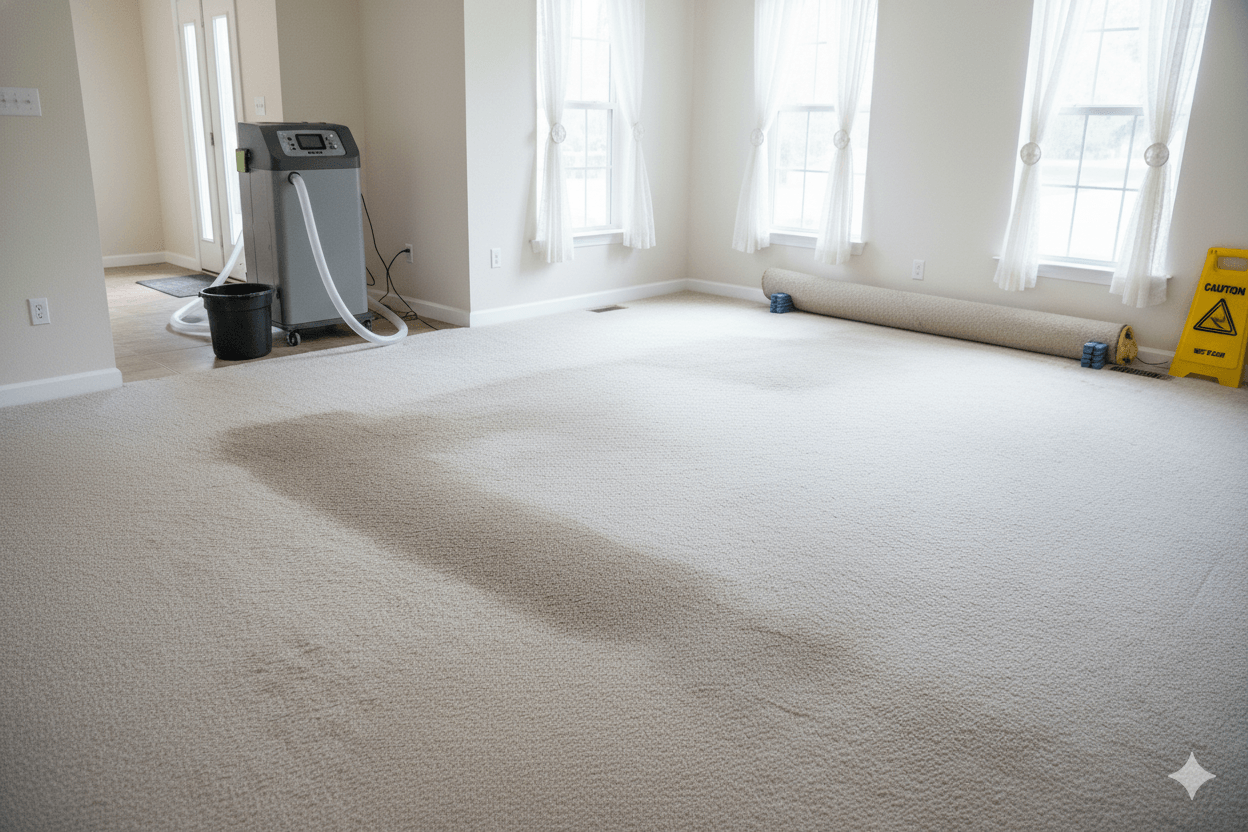
Best Methods To Dry Carpet After Water Damage
If you like to have a well-designed home with a decorative feature, then carpet is one of the features that can add visual value to your home. It provides you with a soft touch when entering the home and lets you have a unique floor design. But if it gets wet, it can create a problem for you. Whether it is from a broken pipe or a heavy storm, you cannot let the carpet be wet for more than 24-48 hours.
But no need to worry. In this blog, we will explore the best methods for wet carpet drying in Melbourne so you can get rid of the problems wet carpet can cause.
Why You Must Act Fast
Before we try to solve the problem, it is necessary that we are aware of the seriousness of the problem so that we can solve it in a proper manner. A wet carpet not just affects the visuals of your home, but it also affects the health of you and your family members. Wet areas are best for mould growth, which can spread serious respiratory issues. Before any of this can affect you, it is important to dry the carpet within the first 2 days.
Best Methods for Wet Carpet Drying in Melbourne
When you are dealing with water damage, simple methods of opening the window and turning on the fan will not work. It requires a professional wet carpet drying approach to achieve the required outcomes. Here are some effective methods to dry your wet carpet.
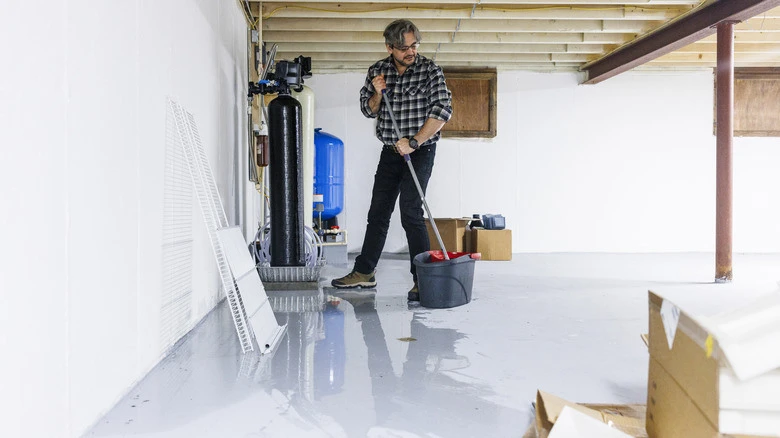
- Water Extraction: The carpet drying process starts with removing the standing water from the room. You will require high-pressure vacuum tools to remove water from the carpet fabric as soon as possible. This step will also help you avoid floor damage.
- Moisture Detection and Mapping: Removing the standing water is not enough, as water drops can be observed by the fabric, walls and timber floor boards. You need a special moisture detection tool that can help you detect the moisture-trapped areas. You can use these tools during the carpet drying process to get effective results.
- Professional Drying Techniques: After the water has been removed, powerful drying machinery is introduced. A well-planned mix of commercial air movers and dehumidifiers is arranged to remove the residual moisture both from the air and the damaged materials.
- Deep Cleaning and Sanitisation: If the source of water is contaminated and sits for a while on the carpet, then it leaves behind a mess. In this case, it is not just a matter of drying for your own safety. The carpet has to be cleaned and disinfected to get rid of the stains as well as minimise health risks.
- Targeted Deodorisation: We all know that awful smell that comes with damp fabric. To get rid of this smell once and for all, strong deodorisers are used to target the carpet and other affected areas to ensure that there is absolutely no smell left behind.
- Comprehensive Structural Drying: Flooding is not limited to just the carpet at times. In that case, you need a flooded carpet drying service that provides comprehensive structural drying to dry the walls, floors, and even the ceiling of the house.
Conclusion:
Handling a flooded floor is very stressful; nevertheless, it should not necessarily mean the end of your lovely carpets. If there is one single important thing to remember, it is the speed. Since mould can begin to grow in damp fibres within a mere 24 to 48 hours, you simply cannot afford to wait around to see if it dries by itself. Though you may think of cleaning the mess with a few towels and a ceiling fan, you will require seasoned technicians who are equipped with the right industrial gear to ensure that every drop of hidden moisture is tracked down and removed.









0 Comments